


EMERGENCY GUIDES

UKSN EMERGENCY GUIDES
Explore our comprehensive emergency guides covering everything from flooding and storms, to power failures and everyday preparedness, so you’ll always know what to do when it matters most.

1. Prepare
Know your emergency plan, gather essential supplies, and make sure everyone in your household knows what to do in any situation.

EMERGENCY GUIDES

_edited.png)

CBRN (Chemical, Biological, Radiological, Nuclear) hazards refer to types of weapons or incidents that involve the release of radioactive materials, biological agents, or toxic chemicals, which can cause widespread harm to human health, the environment, and infrastructure. Nuclear events can result in radiation exposure, biological agents can lead to infectious diseases, and chemical agents can cause poisoning or long-term health issues. In the event of an CBRN incident, it is crucial to follow emergency protocols, seek shelter, and avoid exposure to contaminated air, water, or surfaces. Preparedness, including protective measures and awareness, is essential to reduce the impact of such threats.


A car breakdown can happen unexpectedly, whether due to mechanical failure, a flat tyre, or an empty fuel tank. It can be frustrating and even dangerous, especially on busy roads or in bad weather. Knowing how to stay safe, who to contact, and what steps to take can help minimise stress and get you back on the road as quickly as possible.


A car crash can occur suddenly and unexpectedly, often resulting in damage to vehicles, injuries, or even fatalities. Whether it's a minor collision or a serious accident, knowing how to react immediately can reduce further harm and ensure safety. Quick thinking, staying calm, and following proper procedures can help manage the aftermath effectively.


An Electromagnetic Pulse (EMP) is a burst of electromagnetic radiation that can disrupt or damage electronic devices and power systems. EMPs can be caused by natural events, like solar flares, or by man-made sources, such as nuclear explosions. The impact of an EMP can range from temporary disruptions to the complete failure of electrical grids, communication systems, and other sensitive electronics. In the event of an EMP, it is crucial to be prepared for potential power outages and disruptions to everyday life, while taking steps to protect electronic devices and vital equipment.


Most days in the UK pass without disruption, with no severe weather or emergencies to worry about. Daily life continues as normal, with people commuting, working, and enjoying leisure activities. However, staying prepared for unexpected events—whether minor inconveniences or major incidents—can help ensure safety and resilience in any situation.


A house fire can start unexpectedly, spreading quickly and causing significant damage. It can be caused by various factors such as electrical faults, cooking accidents, heating equipment, or open flames. Knowing how to react swiftly during a fire, having a fire escape plan, and preparing your home with fire safety measures can save lives and minimise damage. Being aware of fire prevention strategies and staying alert can significantly reduce the risk of a house fire.


Flooding is one of the most common natural disasters in the UK, with increasing frequency due to climate change. Floods can happen quickly (flash floods) or build gradually over days. They can lead to power outages, contaminated water supplies, and displacement of residents. Preparing in advance and understanding what to do during and after a flood can save lives and minimise damage.


A flu pandemic occurs when a new strain of the influenza virus spreads globally, affecting a large portion of the population. It can lead to widespread illness, hospitalisation, and even death, especially among vulnerable groups such as the elderly, children, and those with underlying health conditions. Rapid transmission, overwhelmed healthcare systems, and a lack of immunity to the new strain make flu pandemics particularly challenging. Preparedness, vaccination, and public health measures are crucial in reducing the impact and saving lives during such an outbreak.


A heatwave is an extended period of exceptionally high temperatures, often accompanied by high humidity, which can pose serious health risks, strain water and energy supplies, and increase the risk of wildfires. Knowing how to prepare for, cope with, and recover from extreme heat can help protect your health, stay comfortable, and minimise heat-related impacts.


A power cut or power failure occurs when the electricity supply is interrupted, often due to adverse weather, equipment failure, or maintenance work. It can affect homes, businesses, and public services, leading to disruptions in daily activities. Knowing how to stay safe, report the issue, and manage without power can help minimise inconvenience and ensure your safety during the outage.


Rioting involves violent public disturbances, typically characterised by groups of people engaging in vandalism, looting, and clashing with law enforcement. Riots can stem from social, political, or economic tensions, often erupting in response to perceived injustices, inequality, or discontent. The situation can escalate quickly, leading to widespread chaos and potentially significant harm to people, property, and public order. In such circumstances, it is essential to stay informed, avoid affected areas, and follow guidance from authorities to ensure personal safety and minimise exposure to danger.


Severe winter weather in the UK can bring freezing temperatures, heavy snow, and strong winds, leading to disruptions in travel, power outages, and potential harm to health. It can cause dangerous road conditions, risk of hypothermia, and damage to buildings and infrastructure. Being prepared with warm clothing, emergency supplies, and a plan for travel disruptions can help minimise the impact of severe winter weather. Stay informed through weather alerts and ensure your home and vehicle are winter-ready.
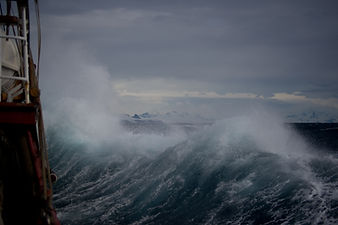

Storms are a common and sometimes severe weather event in the UK, with high winds, heavy rain, and even lightning causing disruption. Strong winds can bring down trees and power lines, damage buildings, and make travel dangerous. Storms can develop rapidly, leading to power cuts, flooding, and hazardous conditions. Preparing in advance and knowing how to stay safe during and after a storm can help protect lives and property.


A terrorist attack involves the use of violence or threats to instill fear, disrupt society, and achieve political, ideological, or religious objectives. These attacks can take many forms, including bombings, shootings, or biological/chemical threats, and may target civilians, infrastructure, or government institutions. In the event of a terrorist attack, it is crucial to follow emergency services' instructions, stay informed through reliable news sources, and be prepared to take action to protect yourself and others. Awareness of your surroundings and understanding how to respond can help minimise harm in such situations.


Water Supply Contamination occurs when harmful substances, such as bacteria, chemicals, or pollutants, enter the water system, compromising the safety of drinking water. This can be caused by issues like pipe leaks, industrial spills, sewage contamination, or natural disasters. Contaminated water can pose serious health risks, and immediate action may be needed to ensure safe water for consumption, bathing, and other household uses.


A Water Supply Interruption occurs when the normal water supply is disrupted, often due to issues like pipe bursts, maintenance work, contamination, or extreme weather. This can affect the availability of clean drinking water, sanitation, and daily activities, requiring households and businesses to take temporary measures such as using bottled water or relying on emergency water supplies until service is restored.
STAY CONNECTED
If you need further assistance, please connect with us or reach out to the wider UKSN community through our social platforms to stay informed and supported.


.png)


