


.png)
The Zero-Waste Homestead: How to Store Every Fruit and Veggie Like a Pro

We have all been there. You return from a big weekly shop, a local market run, or a busy harvest on the allotment, unpack the bags, and dump your fresh produce wherever there is space. Fast forward a week, and your spuds look like a science project, your carrots are as bendy as a rubber band, and the soft fruit has grown a fleece jacket.

Whether you are prepping your home pantry for the long haul, packing rations for an extended family camping trip, or cutting down on household waste during a tight budget, mastering raw food storage is vital. Preserving fresh ingredients without relying on fancy electronics or extra power is a core self sufficiency skill every UKSN member should have in their toolkit.
Here is the expanded, comprehensive A to Z field guide to keeping your fresh produce crisp, tasty, and edible for as long as humanly possible.

Root Vegetables, Tubers, and Alliums
Root crops form the backbone of any solid homestead pantry or campfire stew, but incorrect storage will cause them to rot or sprout prematurely.
Potatoes and Onions: The Great Rivalry
The most common kitchen mistake is storing spuds and onions together. Onions release high levels of ethylene gas as they age, which triggers potatoes to sprout and turn soft.
Potatoes and Sweet Potatoes: Keep potatoes in a cool, dark, dry spot using a burlap sack, wooden crate, or thick paper bag. Never put raw potatoes in the fridge, as the cold converts starches into sugars, ruining their texture and taste. Keep light away to prevent green skin, which contains toxic solanine. Sweet potatoes prefer slightly warmer conditions than white potatoes (around 12 to 15 degrees Celsius) in a dark cupboard.
Onions, Shallots, and Garlic: Store bulb onions and shallots in an open, well-ventilated area away from spuds. Hanging them in mesh bags or clean, suspended tights keeps air circulating around each bulb. For garlic, keep heads intact in a cool, dark cupboard or terracotta garlic keeper until you are ready to chop them.
Spring Onions and Leeks: Treat spring onions like cut flowers by standing their roots in a small glass of water on the windowsill or fridge door. For leeks, trim the upper dark green leaves slightly and wrap the roots in damp kitchen paper inside the fridge drawer.

Carrots, Parsnips, Beetroot, and Radishes
Root veg lose water quickly through their outer skin and leafy tops.
Slice off green tops immediately after harvesting or buying, as leaves pull moisture out of the root.
For quick kitchen access, submerge raw carrots, parsnips, and radishes in a container of clean water in the fridge, replacing the water every couple of days to keep them razor sharp.
For long term off-grid storage, pack unwashed beetroot, parsnips, and carrots in a crate of damp sand or sawdust kept in a cool shed or cellar.
Brassicas, Stems, and Leafy Greens
High water contents mean these garden staples wilt or turn slimy if exposed to trapped moisture or extreme cold.
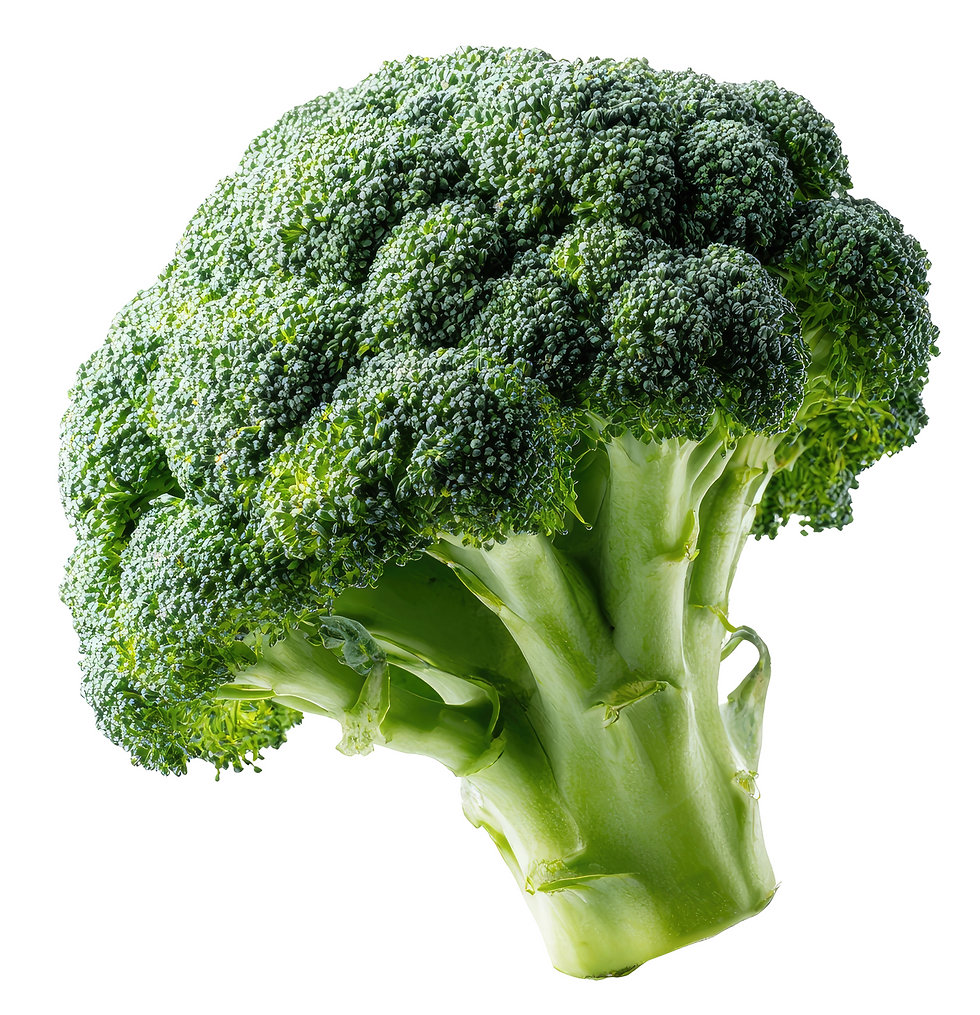
Broccoli and Cauliflower: Stand broccoli stems in a shallow glass of water inside the fridge, covering the florets loosely with a bag. Wrap cauliflower heads tightly in beeswax wrap or damp paper towels to maintain crispness for up to two weeks.
Cabbage and Brussels Sprouts: Highly durable and perfect for long storage. Unwashed cabbage heads kept in the fridge crisper drawer stay fresh for up to two months. Keep Brussels sprouts on their stalk if possible, storing them in a cool pantry or fridge.
Celery and Asparagus: Wrap whole celery tightly in aluminium foil instead of plastic before placing it in the fridge; this allows ripening gas to escape while locking in moisture. For asparagus, trim the ends and stand the spears upright in a jar with an inch of water in the fridge.
Leafy Greens (Spinach, Kale, Chard, Lettuce): Wash upon bringing home, spin completely dry, and store inside sealed glass containers lined with dry paper towels. Shake the jar every few days to redistribute leaves and prevent damp pockets.

Cucurbits, Solanaceous Crops, and Pods
Managing temperature and surface moisture is critical for keeping summer produce firm.
Cucumbers and Courgettes: Keep courgettes dry in a paper bag inside the main fridge space. Wrap cucumbers individually in dry tea towels and store them on an upper shelf, as cold spots will turn them watery and mushy.
Winter Squash, Pumpkin, and Marrows: Cure them in a warm spot for a few days to harden their skins, then move them to a cool, dry shed or cupboard. Intact butternut squash or crown prince pumpkins can last three to six months.
Tomatoes and Aubergines: Keep whole tomatoes out of the fridge! Cold temperatures destroy their cell walls, making the flesh mealy and flavourless. Store them stem-side down on a counter at room temperature. Aubergines also prefer cool room temperatures rather than icy fridge drawers.
Peppers and Chillies: Keep bell peppers whole, unwashed, and dry inside the fridge crisper drawer. Thread fresh chillies onto a length of string and hang them in a dry, airy spot to dry naturally for long-term storage.
Green Beans and Sugar Snap Peas: Store unwashed in a breathable or perforated bag in the fridge crisper drawer, keeping them away from excess moisture.

Orchard Fruits, Tropical Crops, and Berries
Managing natural ripening gases (ethylene) determines whether fruit lasts days or months.
Apples and Pears: Apples are heavy ethylene producers and will spoil nearby produce. Store them separately in a cool pantry or crisper drawer. Wrapping individual apples in newspaper prevents a single bad item from ruining the batch. Leave pears at room temperature until soft, then refrigerate to halt further ripening.
Stone Fruit (Peaches, Plums, Nectarines, Cherries): Keep peaches, plums, and nectarines at room temperature in a paper bag until they yield slightly to touch, then transfer to the fridge. Keep cherries unwashed in a loose bag in the coldest part of the fridge.
Berries (Strawberries, Raspberries, Blueberries, Blackberries): Moisture encourages mould growth. Soak unwashed berries in a mixture of three parts water to one part white vinegar, then dry them completely on paper towels. Store them in a single layer inside an airtight glass jar lined with kitchen paper in the fridge. The vinegar kills mould spores without affecting flavour.
Citrus Fruit (Lemons, Limes, Oranges, Grapefruits): Store lemons, limes, and oranges inside sealed jars or containers in the fridge rather than in a room-temperature bowl. Submerging lemons in a jar filled with water keeps them juicy for up to six weeks.
Bananas, Mangoes, and Avocados: Wrap banana stems tightly in beeswax wrap or foil to slow the release of ethylene gas. Keep avocados and mangoes at room temperature until ripe, then pop them in the fridge to freeze them at peak ripeness for several days.

Fresh Herbs: Tender vs. Hardy
Tender Herbs (Basil, Coriander, Parsley, Mint): Treat parsley, mint, and coriander like flowers by standing stems in a glass of water inside the fridge. Exception: Keep basil at room temperature on the counter in water, as cold turns its leaves black.
Hardy Herbs (Rosemary, Thyme, Sage, Oregano): Wrap spears in a damp paper towel and store them inside an airtight container or sealable bag in the fridge.
Produce Storage Reference Guide
Item | Best Location | Top Storage Hack | Expected Shelf Life |
Potatoes | Dark, cool pantry | Store alongside an apple to slow sprouting | 2 to 3 months |
Onions & Garlic | Airy, dark space | Keep mesh bags suspended; isolate from spuds | 2 to 4 months |
Carrots & Beetroot | Fridge or root cellar | Submerge in water or pack in damp sand | 1 to 4 months |
Apples | Fridge crisper drawer | Wrap individually in newspaper sheets | 2 to 4 months |
Strawberries & Berries | Fridge shelf | Vinegar wash, dry fully, seal in glass jars | 1 to 2 weeks |
Celery | Main fridge shelf | Wrap tightly in aluminium foil, not plastic wrap | 3 to 4 weeks |
Lemons / Limes | Fridge drawer | Submerge in a sealed glass jar filled with water | 4 to 6 weeks |
Tomatoes | Kitchen counter | Keep stem-side down away from direct sunlight | 7 to 10 days |
Asparagus | Fridge door/shelf | Stand ends in an inch of water like cut flowers | 1 to 2 weeks |
Winter Squash | Cool, dry cupboard | Cure outer skin first; elevate off bare floors | 3 to 6 months |

The UKSN Pantry Challenge
Ready to put these self sufficiency skills to work? Of course you are!
The Task: Inspect your food storage areas at home or in your camp kitchen. Reorganise your produce using at least three techniques outlined above (such as wrapping celery in foil, setting up a vinegar bath for berries, or submerging lemons in water).
Take a quick before-and-after photo of your organised, waste-free setup and post it on the UKSN Facebook Group or WhatsApp Community! Let us see who can build the most reliable pantry system.


Comments