


.png)
The Milk Apocalypse: 5 Long-Life Alternatives Every UK Household Needs!

Picture this: power’s down across the region, or a winter storm has locked down the local roads for days. You boil the kettle, drop a teabag into your favourite mug, and reach into the fridge... only to find the fresh pint of semi-skimmed has turned into a chunky, sour mess.
Nothing ruins morale faster during an emergency than a ruined cup of tea.
In the UKSN community, we often talk about emergency rations, water filtration, and off-grid power. But when it comes to long-term pantry planning, dairy is often an afterthought. Fresh pasteurised milk has a notoriously short shelf life, making it a huge vulnerability in your home readiness setup.
Whether you are gearing up for long-term off-grid camping, building a robust emergency pantry, or simply want to stop throwing away half-used pints every week, having reliable, long-lasting milk alternatives is a total game-changer.
Here is everything you need to know about keeping the tea flowing, the porridge rich, and your pantry stocked with the best long-life milk solutions available in the UK.
The Ultimate Long-Life Milk Options Explained
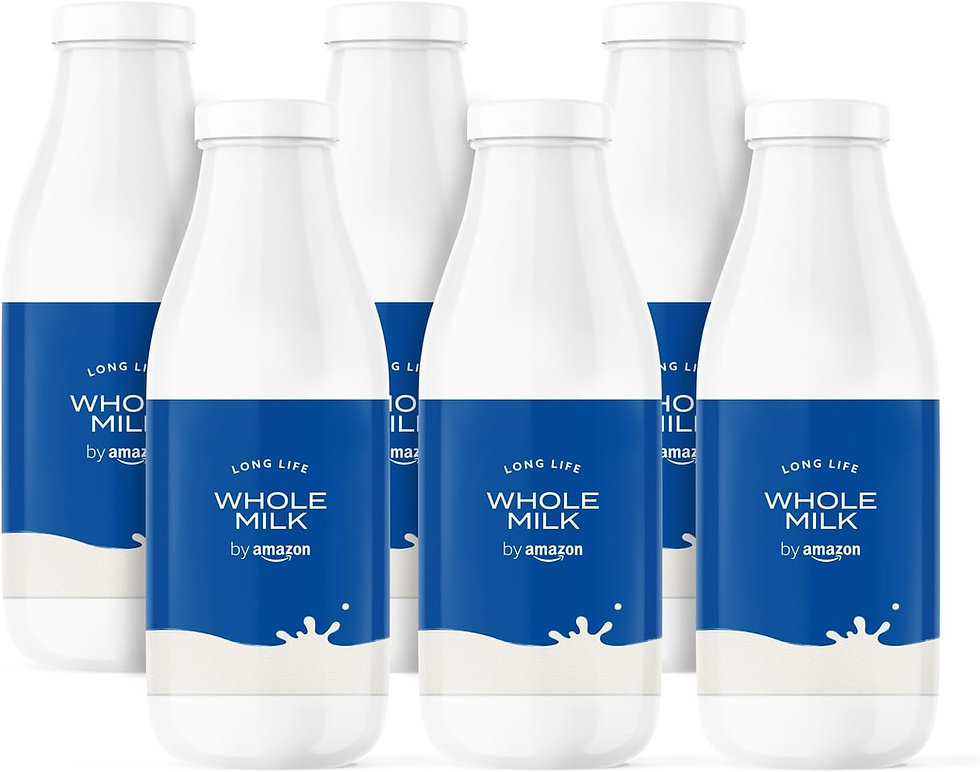
UHT (Ultra-High Temperature) Milk: The Pantry Classic
Ultra-High Temperature milk - commonly known as UHT or long-life milk is a staple in European pantries, and for good reason. UHT milk is heated to over 135°C for a few seconds to kill off all bacteria and spores.
Pros: Zero prep required, familiar cow's milk flavour, low cost.
Cons: Bulky to store, heavy to carry, spoils within 3 to 4 days once opened.
Prepper Tip: Buy 500ml cartons instead of 1-litre boxes so you can finish a carton before it spoils without needing a fridge.
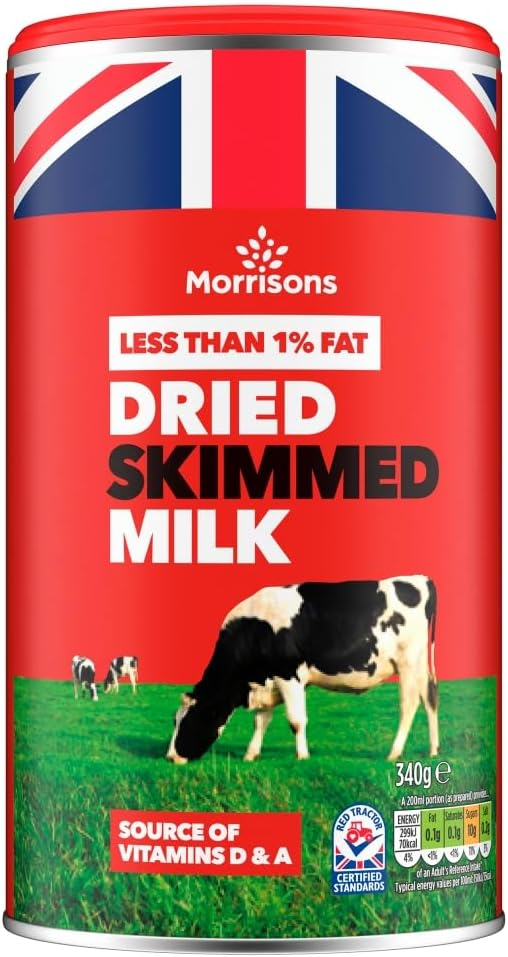
Powdered Milk: The Ultimate Space-Saver
Full-cream or skimmed powdered milk is the quintessential emergency shelf staple. Water is evaporated from fresh milk, leaving a stable dry product.
Pros: Extremely lightweight, zero waste (mix only what you need), multi-use for cooking and baking.
Cons: Requires water and whisking, skimmed versions can taste thin in tea.
Prepper Tip: Look for full-cream or whole-milk powder (such as Nido) rather than standard skimmed powder for better flavour and vital extra calories.

Evaporated and Condensed Milk: High-Calorie Powerhouses
Canned milks have been trusted survival rations for over a century. Evaporated milk has about 60% of its water removed, while condensed milk adds heavy sugar for preservation.
Pros: Long shelf life in durable tin cans, rich creamy texture, high calorie density.
Cons: Condensed milk is very sweet (best for coffee, baking, or high-energy porridge), canned weight adds up quickly.
Prepper Tip: A spoonful of sweetened condensed milk in morning camp coffee delivers instant warmth, energy, and comfort in cold weather.
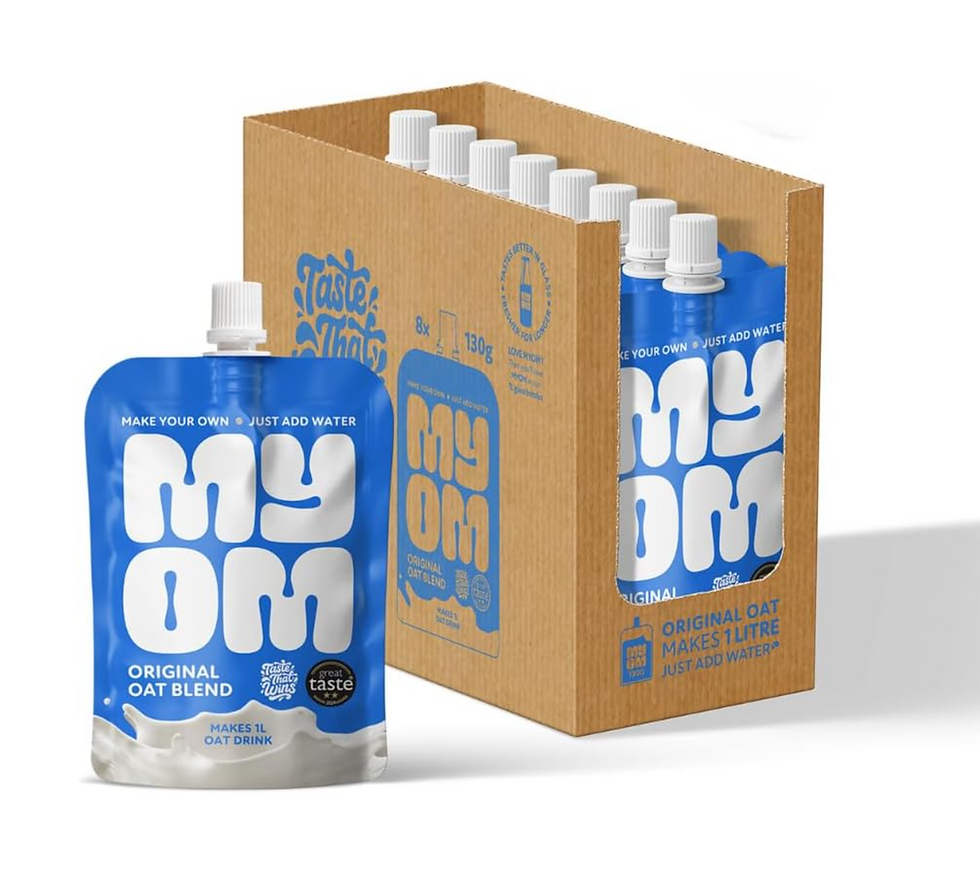
Modern Mix-On-Demand Alternatives (MYOM & Concentrates)
Innovative brands like MYOM (Make Your Own Milk) provide concentrated premixes or pouches designed to be mixed directly with tap water at home whenever required.
Pros: Saves massive storage space, reduces plastic waste, plant-based options generally last longer once mixed.
Cons: Oat/nut flavour profile may not suit everyone, slightly higher cost per litre than basic UHT.
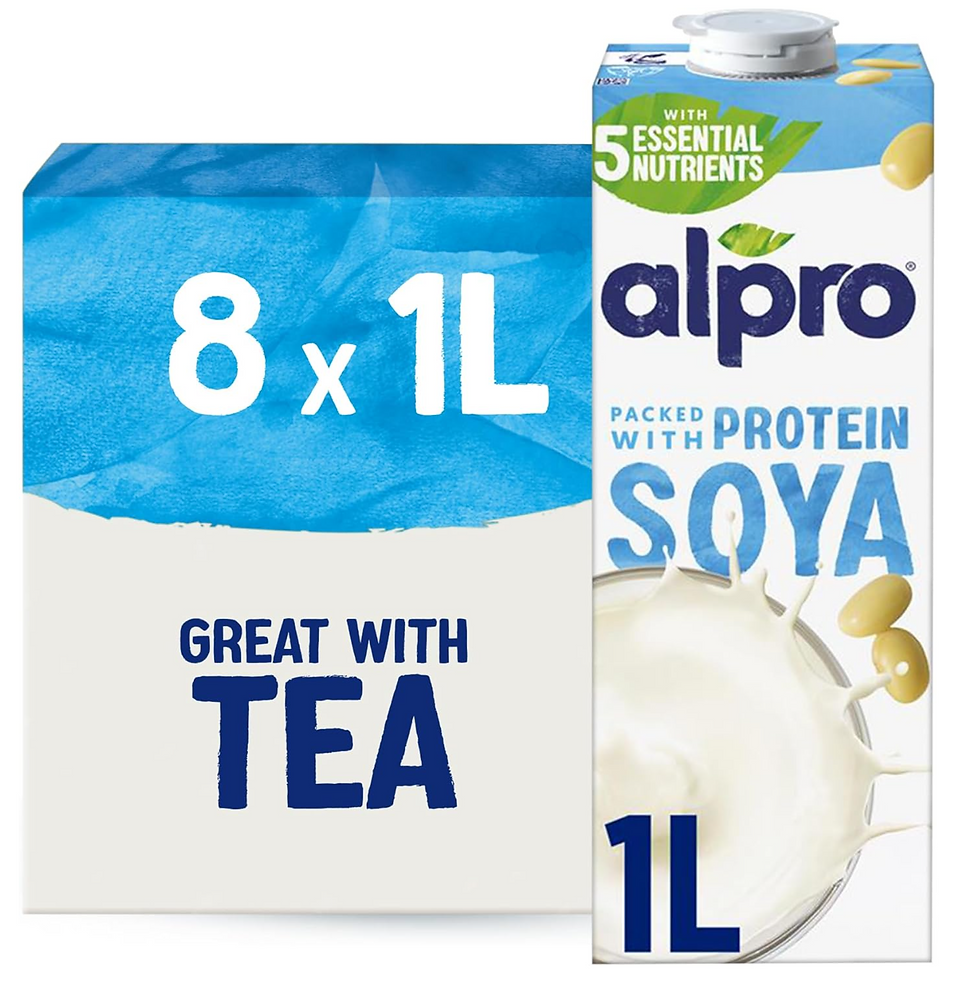
Shelf-Stable Plant Milks (Oat, Soy, Almond & Coconut)
Commercially packaged plant milks in Tetra Paks offer excellent shelf-stable variety for those avoiding dairy or looking for extended stability.
Pros: Oat and soy hold up exceptionally well in hot drinks, naturally long ambient shelf life unopened, lower risk of rapid bacterial growth compared to raw dairy.
Cons: Separation can occur in hot tea (curdling effect) if the tea is too acidic or hot; check for barista-grade versions to prevent this.
Shelf Life Comparison Table
Milk Type | Unopened Shelf Life | Opened Shelf Life (No Fridge) | Best Used For |
Fresh Milk | 7 to 10 days | 12 to 24 hours | Daily fresh use |
UHT (Long-Life) Milk | 6 to 9 months | 1 to 2 days | Direct replacement for fresh milk |
Powdered Whole Milk | 1 to 2 years (5+ years in Mylar) | 1 to 2 months (dry powder) | Emergency tea, baking, cereals |
Evaporated Milk (Canned) | 1 to 2 years | 1 to 2 days | Creaming tea/coffee, rich cooking |
Sweetened Condensed Milk | 2 to 3+ years | 5 to 7 days | High-energy coffee, porridge, sweets |
MYOM / Concentrated Pouches | 6 to 12 months | 2 to 4 days (once mixed) | On-demand plant milk, lightweight kits |
Ambient Plant Milk (Oat/Soy) | 6 to 12 months | 2 to 3 days | Dairy-free brewing, cereals, cooking |
The Verdict: How to Build Your Dairy Strategy
A solid self-sufficiency plan relies on redundancy. The best approach is to stack your storage with a blend of options:
Short-to-Medium Term (0 to 6 months): Keep a box of small UHT cartons and plant milks in the cupboard for quick, effortless daily rotation.
Long-Term & Emergency (1 to 5+ years): Store whole-milk powder and canned evaporated milk in airtight containers for long-term survival nutrition.
Field & Trail Use: Keep concentrated pouches or milk powders in your day sacks and camping kits to save weight on the trail.

UKSN Community Challenge: The Blind Brew Test
Think you can tell the difference when the chips are down? Put your pantry skills to the test with this week's community challenge!
The Challenge:
Brew three identical cups of your favourite tea.
Prepare three milk samples: Fresh Milk, Reconstituted Powdered/Concentrated Milk, and UHT Milk.
Have a family member or fellow UKSN member pour the milk so you don't know which is which.
Take the test, rank them by taste, and see if you can spot the emergency stash!
Take a photo and share your results in the official UKSN Facebook Group. Let us know which alternative earned a permanent spot in your emergency pantry!


Comments