


.png)
Overnight Oats: The No-Cook Survival Breakfast Every UKSN Member Should Be Eating

There is a habit in preparedness circles of looking past the simplest solutions. People often chase long-life rations, complex storage systems, or specialist equipment, when in reality some of the most useful “everyday resilience foods” are already sitting in the average kitchen cupboard. Overnight oats are one of those quiet wins.
They are cheap, adaptable, require no cooking, and once you understand how they behave in storage and rotation, they become more than just breakfast. They become a practical food system that fits normal life, camps, emergencies, and everything in between.

What Are Overnight Oats and Why They Matter
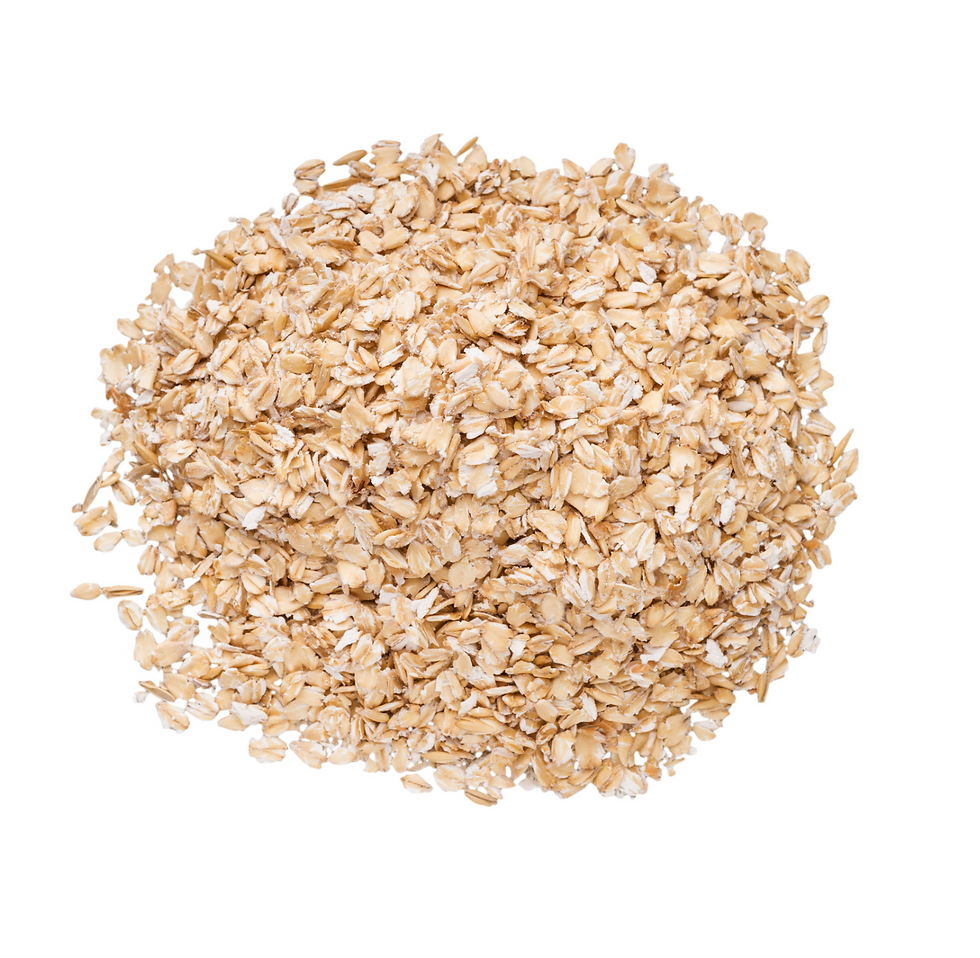
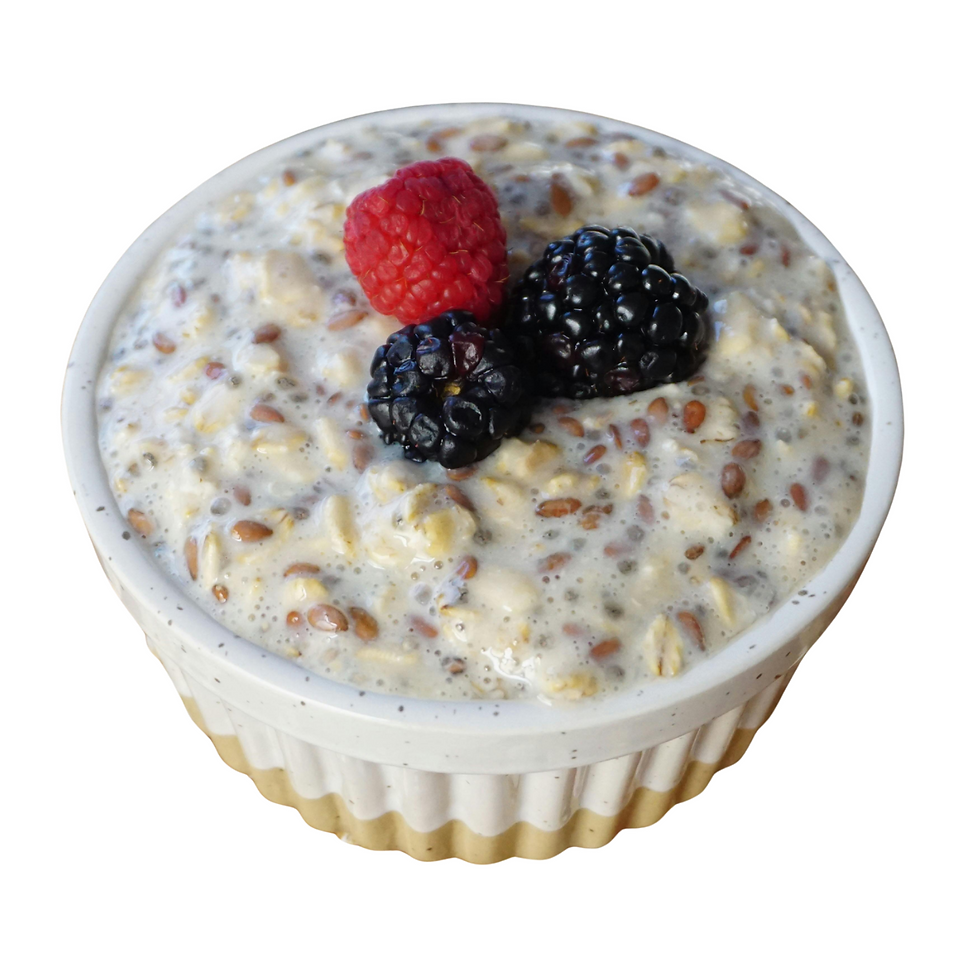
At their simplest, overnight oats are rolled oats soaked in liquid and left to soften over several hours, usually overnight. By morning, they are ready to eat straight from the container with no cooking required.
But the real value is not convenience alone. It is predictability. In preparedness terms, predictable food is powerful. You know how long it lasts, how it behaves, how to scale it up, and how to rotate it. That makes it ideal for both everyday use and long-term planning.
Instructions: The Reliable Method That Always Works
Start with rolled oats in a sealed container or jar. Add your liquid of choice, typically milk, water with yoghurt, or plant-based alternatives. A good starting ratio is 1 part oats to 1.5 parts liquid, adjusting depending on whether you prefer thicker or looser oats.
Mix thoroughly so every oat is hydrated. This avoids dry clumps, which can ruin the texture the next morning.
From there, build the meal. Protein might come from Greek yoghurt, protein powder, or nut butters. Energy density can be increased with seeds, nuts, or oats themselves. For flavour and morale, dried fruit, honey, cinnamon, or chocolate pieces all work well.
Seal and refrigerate overnight or for at least 4 to 6 hours. By morning, you have a ready-to-eat, no-cook meal that requires no electricity, no timing, and no additional preparation.
How Long Do Overnight Oats Last?
On average, properly stored overnight oats last 2 to 4 days in a fridge. This makes them one of the best batch-prep breakfasts available because you are not just making one meal, you are creating a rolling food buffer for your week.
After day 4, texture and safety begin to decline depending on ingredients used. Fresh fruit shortens shelf life, while plain oats with milk or yoghurt last closer to the upper end of the range.
If you want to extend usability, the trick is ingredient control:
Plain base oats last longer
Fresh fruit reduces shelf life
Dairy-free liquids can sometimes extend stability slightly
Sealed airtight containers make a noticeable difference
In practical terms, this means you can prep on a Sunday and comfortably cover most of the working week.
How to Tell If Overnight Oats Have Gone “Off”
This is where common sense matters more than strict rules, but there are clear indicators.
If oats are off, you will usually notice:
A sour or sharp smell that goes beyond normal yoghurt tang
Visible mould or unusual discolouration
A fizzy or fermented taste that feels wrong on the tongue
Separation that looks curdled rather than simply settled
One important point: oats will naturally thicken and sometimes separate slightly over time. That is normal. What you are looking for is anything that feels actively unpleasant, overly sour, or biologically “alive” in a way it should not be. When in doubt, discard. The cost is minimal compared to the risk.
Why Overnight Oats Are a Surprisingly Strong Food Storage Option
Oats themselves are one of the most underrated long-term storage foods available.
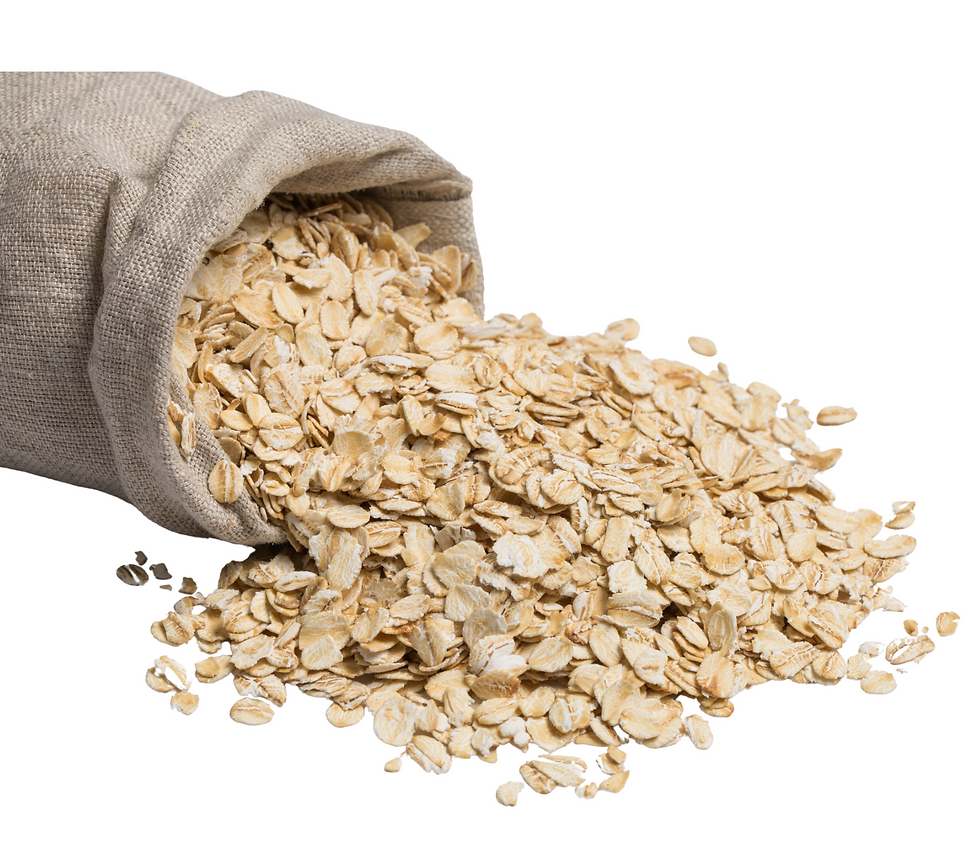
Rolled oats, stored correctly in a cool, dry place in airtight containers, can last 12 to 24 months, and in many cases even longer if kept away from moisture and pests. That alone makes them a strong foundation food, but their real strength is flexibility.
Unlike freeze-dried meals or specialised rations, oats can be:
Eaten cold or hot
Combined with almost any ingredient
Sweet or savoury
Bulked up cheaply
Stored long-term without specialist kit
This makes them a “bridge food” between everyday eating and preparedness storage. You are not buying something separate for emergencies, you are rotating a food you already use.
How Much Oats Do You Actually Need? (Realistic Prepper Math)
This is where things get interesting. A typical serving of oats is around 50g per person per breakfast. If you were to build a realistic rotation, here is what that looks like:
Single Person
Daily: 50g
Monthly (30 days): 1.5kg
Yearly: 18kg
Family of 4
Daily: 200g
Monthly: 6kg
Yearly: 72kg
Now, this does not mean oats are your entire food supply. That would be unrealistic and nutritionally incomplete. But it does show how powerful they are as a base staple.
A 20kg bag of oats, which is often inexpensive in bulk, can cover:
A single person for over a year of breakfasts
A family of four for roughly 3 to 4 months of breakfasts
That is a significant amount of resilience for a very small cost and storage footprint.
What to Store Alongside Oats (This Is Where It Becomes Powerful)
Oats on their own are useful, but they become genuinely powerful when paired with a small supporting food system.
A well-rounded “oats-based resilience pantry” might include:
Protein sources: Peanut butter, powdered milk, Greek yoghurt (short term), protein powder, or tinned alternatives
Energy boosters: Honey, sugar, dried fruit, chocolate, nuts, seeds
Shelf-stable liquids: UHT milk, plant-based milk, water purification options
Micronutrient support: Frozen berries (short term), dried fruit, multivitamin options if appropriate
The idea is not to turn oats into a survival-only food. It is to build a system where oats become the base, and everything else rotates around them depending on availability and situation. This is how real food resilience works in practice. Not stockpiling extremes, but building interchangeable parts.
A Few Interesting Facts Most People Don’t Know About Oats
Oats are more nutritionally dense than many people realise. They contain beta-glucan, a type of soluble fibre known for supporting cholesterol reduction and helping regulate blood sugar levels. That is part of why they provide such steady energy rather than spikes and crashes.
They are also one of the most filling grains per calorie, meaning they naturally support satiety, which is useful both for budgeting food and for physically demanding days.
Historically, oats were widely used across Northern Europe as a staple crop specifically because they grow well in poor soil and colder climates. In other words, they are naturally suited to environments like the UK.

UKSN Challenge: Build a One-Week Oats Rotation System
Your challenge is simple but practical. Create a 7-day overnight oats plan using only ingredients you already have at home or can realistically store long term. Each day should be slightly different, focusing on one of the following:
High protein for physical or active days
High calorie for energy-heavy days
Morale-focused for motivation and enjoyment
Then calculate how much oats you actually used across the week and scale it up to a monthly supply for your household. Finally, test it properly. Not just as a meal, but as a system. Does it make mornings easier? Does it reduce decision fatigue? Does it actually fit your routine? Share your results with the UKSN community and compare setups. Because sometimes resilience is not about adding more gear. It is about building one simple system that quietly does more work than everything else combined.


Comments