


.png)
Hantavirus Alert: What the 2026 Cruise Ship Cases Mean for UK Outdoor Enthusiasts

When something like hantavirus appears in the news, it is easy to either ignore it completely or assume it is something happening far away that has nothing to do with us. The reality usually sits somewhere in the middle, and that is exactly the case with Hantavirus.
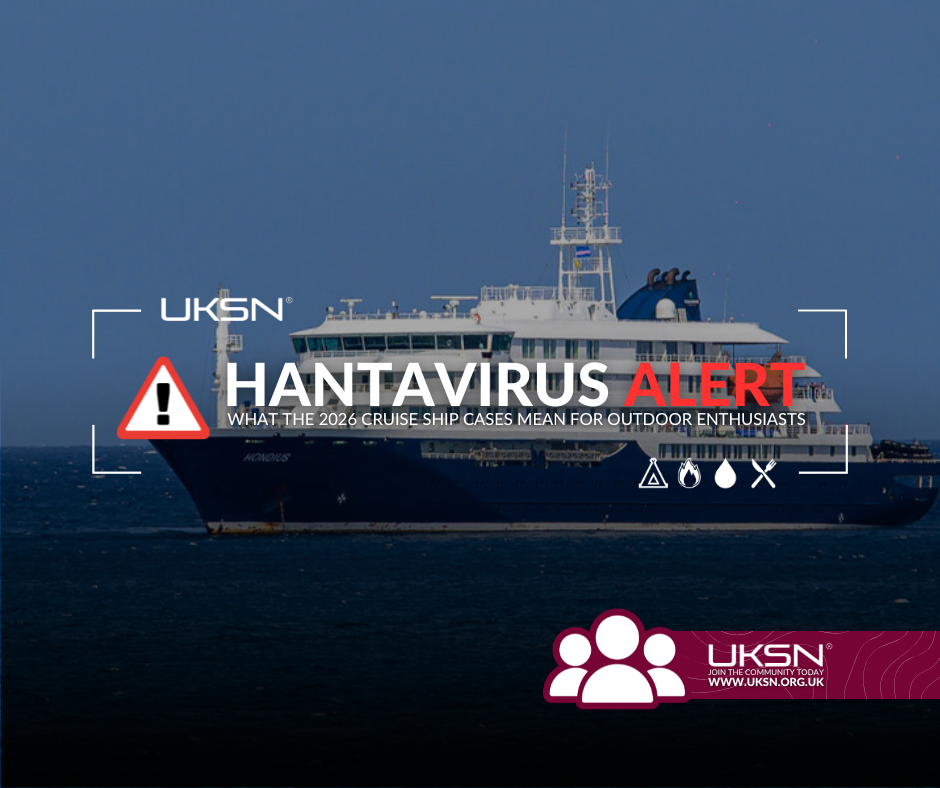
Recent reports in May 2026 have brought hantavirus back into the spotlight, particularly because British nationals are involved in a suspected outbreak linked to a cruise ship. While this is not a UK-based outbreak, it does raise a sensible question for anyone who spends time outdoors, works in rural environments, or takes preparedness seriously. Is this something we actually need to think about?

What’s Happening Right Now?
The current situation centres around a suspected hantavirus outbreak on a cruise ship operating internationally. At the time of writing, a British national is reported to be in critical condition, and another British crew member is among five suspected cases connected to the incident. At least one case has been laboratory confirmed, while others are still being investigated, which means the full picture is still developing.
What matters here is context. This is not a widespread UK outbreak, and there is no indication of increased transmission within the general population in the UK. However, it does highlight that hantavirus is still very much present globally and can affect UK nationals, particularly in environments where exposure risks are higher.
Has Hantavirus Ever Been Found in the UK?
Although many people assume this is something confined to other parts of the world, there have been confirmed cases within the UK itself. These cases are rare, but they are not purely travel-related.
Since 2012, at least nine infections have been confirmed in individuals who had not travelled abroad, meaning the virus was contracted within the UK. These cases have largely been linked to contact with rats, including both wild populations and pet “fancy rats”, which are known carriers of a strain called Seoul virus.
This is an important distinction because it shows that, while uncommon, the risk is not entirely imported. It exists here, albeit at a very low level.
How Does Hantavirus Actually Spread?
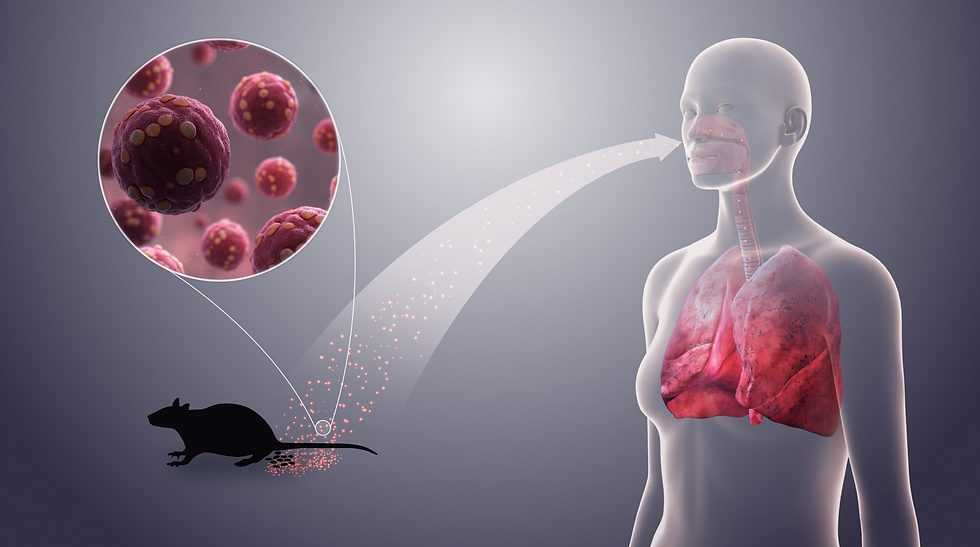
Unlike many illnesses people are used to thinking about, hantavirus does not typically spread from person to person. Infection usually comes from contact with environments where infected rodents have been present.
The most common route is through inhalation. When rodent droppings or urine dry out, they can become disturbed and release tiny particles into the air, which can then be breathed in. This tends to happen in enclosed or poorly ventilated spaces rather than in open outdoor environments.
It is also possible to become infected through direct contact with contaminated surfaces, particularly if you then touch your face, or through consuming food or water that has been exposed to rodents. In rare cases, bites can also transmit the virus.
For those in the UKSN community, the realistic risk is not from walking through woodland or sitting around a campfire. It is more likely to come from situations such as opening an unused shed, clearing out an old shelter, or handling gear that has been stored for a long period in conditions where rodents have had access.
Symptoms and Incubation Period
One of the most challenging aspects of Hantavirus is that it does not present immediately after exposure, which means there is often no clear warning sign that anything has gone wrong at the time of contact. Instead, the illness develops silently during an incubation period that typically ranges from around one to five weeks, depending on the strain involved and the individual’s response.
This delay is what makes it particularly difficult to trace. By the time symptoms begin, people often do not associate their illness with a specific activity, such as cleaning a shed, handling stored equipment, or being in a rodent-affected environment weeks earlier. Early symptoms tend to be non-specific and can easily be mistaken for a common viral infection. These usually include fever, persistent headaches, muscle aches, chills, and a deep sense of fatigue that feels out of proportion to a typical short-lived illness.
The situation becomes more serious if the infection progresses. In some strains, particularly those affecting the respiratory system, the virus can cause increasing inflammation and fluid build-up in the lungs. This can lead to worsening shortness of breath, a persistent cough, and chest tightness, often developing quite rapidly after the initial flu-like stage. In other strains, the virus can instead or additionally affect kidney function, which can lead to abdominal pain, nausea, and changes in urine output.
At this stage, medical intervention is critical. There is currently no specific cure or antiviral treatment that directly targets hantavirus itself. Instead, treatment is supportive and focused on managing symptoms and maintaining organ function, often requiring hospital care and, in severe cases, intensive care support such as oxygen therapy or mechanical ventilation. Early recognition and rapid medical attention significantly improve the chances of recovery, but the condition can still become life-threatening once it reaches its severe phase.
What Does This Mean for UKSN Members?
For most people in the UKSN community, the overall risk remains low. You are far more likely to deal with typical outdoor hazards such as weather, navigation errors, or minor injuries than you are to encounter hantavirus.
That said, this is exactly the kind of risk that fits into the UKSN mindset. It is not about alarmism, but about awareness. Understanding that something exists, knowing where it is more likely to be encountered, and taking simple steps to reduce exposure is all part of being properly prepared.
The recent cruise ship cases do not signal a UK outbreak, but they do serve as a timely reminder that environmental hazards are not always obvious and that even rare risks are worth understanding.
Simple Ways to Reduce Your Risk
In practical terms, reducing the already low risk of hantavirus exposure comes down to a few sensible habits that align with good outdoor practice anyway. If you are entering an enclosed space such as a shed, shelter, or container that has been left untouched for a while, it makes sense to ventilate it first rather than walking straight in and disturbing any dust.
If you come across signs of rodent activity, such as droppings or nesting material, avoiding dry sweeping is important, as this can push contaminated particles into the air. Lightly dampening the area before cleaning is a far safer approach.
Keeping your kit properly stored, particularly food and long-term gear, reduces the chances of rodents getting in and contaminating your equipment. Good camp hygiene also plays a part, as leaving food waste around will naturally attract animals.
None of this is complicated, and none of it requires specialist equipment. It is simply about being mindful of the environment you are operating in.
The Bottom Line
Hantavirus is rare in the UK, but it is not non-existent. There have been confirmed locally acquired cases, and current international reports show that it continues to appear in real-world situations.
For UKSN members, this is not something to worry about, but it is something to be aware of. Like many aspects of preparedness, a small amount of knowledge and a few simple habits go a long way in reducing risk.

UKSN Challenge: The Hidden Risk Check
Next time you are out, or even just sorting through your kit at home, take a few minutes to properly look at your environment with fresh eyes. Instead of rushing through it, slow down and consider where rodents might realistically gain access or leave signs of activity.
You might notice an old bag that has been left untouched for months, a food container that is not as secure as it should be, or a shelter that could do with better ventilation before use. The goal is not to overhaul everything in one go, but to identify just one weak point and fix it.
That is how real preparedness builds over time, not through big dramatic actions, but through small, consistent improvements that make you better equipped for the long run.


Comments