


.png)
From Power Cuts to Grid Outages: The 9 Things The Government Wants You To Stockpile Right Now!

If you had told us a few years ago that official Whitehall guidance would sound remarkably like a UKSN Charter meeting, we would have had a quiet chuckle. Yet here we are.
Between unpredictable weather patterns, national grid wobbles, and infrastructure hiccups, official advice is catching up to what our community has advocated for years: self-reliance begins at home. the government has released a checklist under its emergency preparedness guidance urging every household in Britain to build a basic three-day resilience kit.

The rationale is simple. If the general public is equipped to handle the first 72 hours of a power failure, flash flood, or similar incident, emergency services can focus their resources on the most vulnerable.
Whether you are an experienced outdoor enthusiast or just taking your first steps toward becoming a prepper, here is the breakdown of the 9 essential items recommended by officials to stockpile, along with the practical UKSN upgrades that make them truly useful.
The Official Stockpile: 9-Item Emergency List

Battery or Wind-Up Torch
Relying on your smartphone screen for illumination drains the exact battery you need for critical communications. Flame-based options like candles create fire risks in dark rooms, making a dedicated torch far safer.
The UKSN Upgrade: Keep a low-lumen headtorch near your bed so your hands remain completely free. Wind-up units are great backups, but quality LED headtorches with spare lithium batteries give you reliable light without tiring your arms.

Portable Power Bank
When the power drops, mobile networks often stay up longer than local sub-stations. A charged power bank or power station ensures you can reach family members, receive flood or weather warnings, and make emergency calls.
The UKSN Upgrade: Treat your power bank like a rolling resource. Keep a high-capacity 20,000mAh unit topped up indoors, and pair it with a portable foldable solar panel for extended outages.

Wind-Up or Battery Radio
In a widespread black-out, local phone masts can become congested or drop offline within hours. Terrestrial broadcast radio on FM/AM or DAB remains one of the most resilient networks during national disruptions.
The UKSN Upgrade: Choose a hybrid unit featuring an integrated solar panel, hand-crank charger, and built-in flashlight. Make a physical paper note of your local BBC radio frequencies, as you will not be able to search for them online when the power drops.
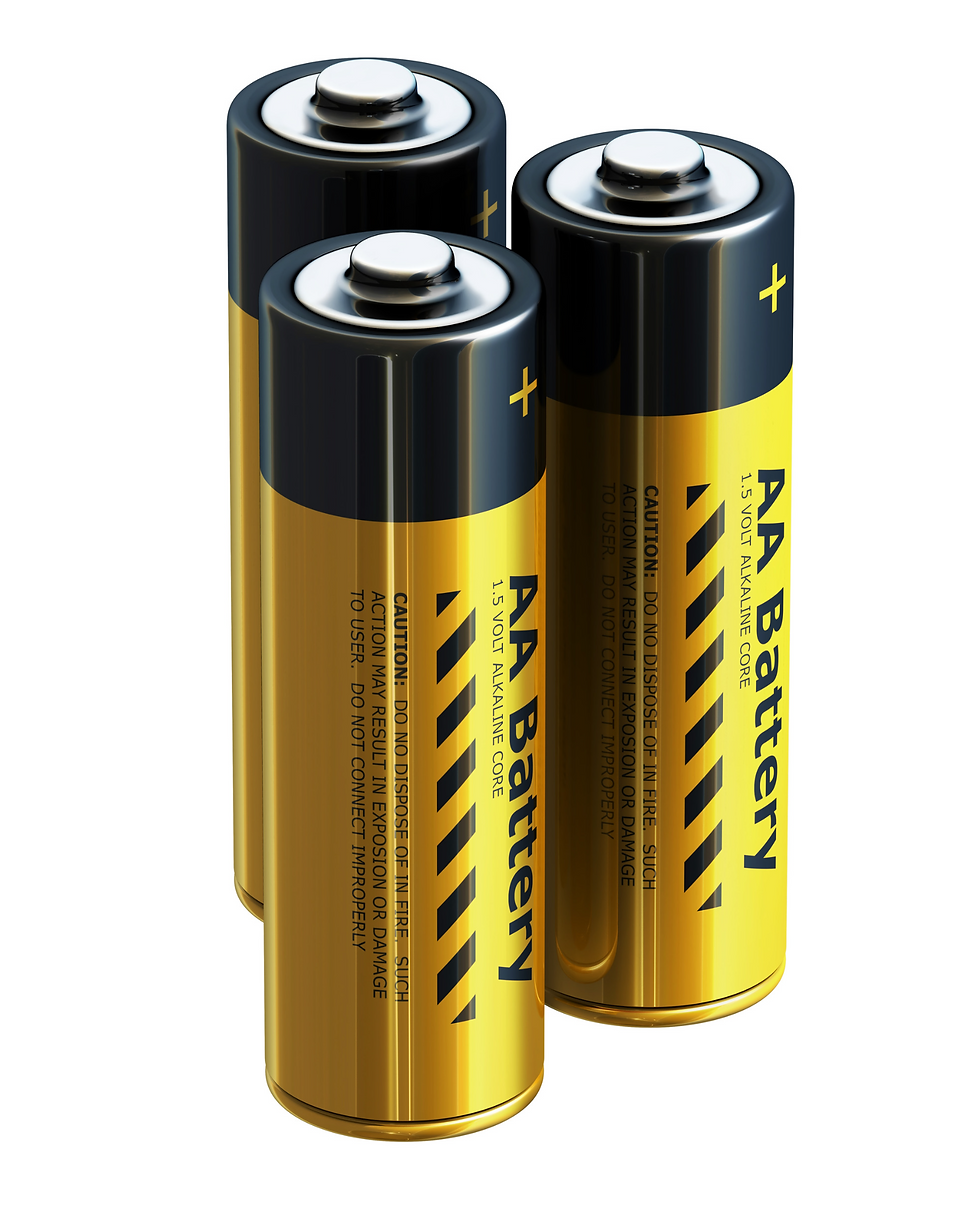
Spare Batteries
A torch or radio without power is just an expensive paperweight. Keeping extra batteries packed away ensures your basic kit lasts beyond the initial 72-hour window.
The UKSN Upgrade: Standardise your gear. Try to buy devices that strictly run on AA or AAA batteries so you only need to store two common types. Consider rechargeable nickel-metal hydride (NiMH) batteries alongside a small USB-powered charger.

Wet Wipes and Hand Sanitiser
Mains water cuts turn everyday hygiene into a serious challenge. Washing hands in static or unsterilised water risks spreading bugs, which is the last thing anyone needs during a crisis.
The UKSN Upgrade: Stock biodegradable, heavy-duty wipes and alcohol-based gel. Keep them in sealed freezer bags so they do not dry out over time on the shelf.

Bottled Water
Official survival minimums sit around 2.5 to 3 litres of drinking water per person per day. However, aiming for 10 litres per person per day allows for basic cooking, washing, and hot drinks.
The UKSN Upgrade: Store commercially sealed water containers in a cool, dark room, away from direct sunlight and chemicals. Pair your stored water with a quality water filter or purification tablets in case you ever need to process secondary sources safely. Consider grabbing a Lifesaver Bottle or Jerrycan for the ultimate prepparedness upgrade!

Non-Perishable, Ready-to-Eat Food (Plus a Manual Tin Opener!)
Tinned meats, fish, beans, vegetables, and fruit provide vital calories without requiring mains power or fresh water for cooking.
The UKSN Upgrade: Eat what you store and store what you eat. Build a rotating panty of oats, peanut butter, tuna, baked beans, and long-life milk. Ensure you have at least two sturdy, manual tin openers tucked directly into your food crates.

Pet Food and Essentials
In a sudden emergency, domestic pets rely completely on what is already inside your cupboards. Running out of specialised pet food during a localized lockdown causes unnecessary stress.
The UKSN Upgrade: Store a two-week buffer of dry or wet food in airtight containers to protect it from moisture and pests. Keep duplicate leads, waste bags, and any required pet medications stored right alongside your family supplies.

Baby Supplies
If you have infants in the house, formula, nappies, and wipes disappear fast. In a power outage, boiling water to sterilise bottles becomes tricky, making ready-to-feed formula liquid options much safer.
The UKSN Upgrade: Keep a supply of pre-mixed, ready-to-feed formula cartons that require no heating or water mixing, along with sterile single-use teats.
3 Quick Wins to Take Your Setup Further
Building resilience is not about panic buying or filling every corner of your home with supplies. It is about simple, sensible organisation and planning.
Write It Down: Print a paper contact sheet with emergency numbers, local utility fault lines (like 105 for power cuts), and medical details. Place it inside a waterproof bag within your kit.
Pack a Car Kit: Keep a compact emergency bag in your boot containing a high-vis jacket, warm blanket, jump leads, shovel, small first aid kit, and water.
Know Your Cut-Offs: Ensure every adult in your home knows the exact physical location of your main stopcock, gas isolation valve, and main electricity consumer unit.

The UKSN Home Resilience Challenge!
Ready to put your gear and household to the test? It is time for a family-friendly exercise.
The Challenge: The 3-Hour Unplugged Evening
The Goal: Pick an evening this week and safely isolate your main power switch at the consumer unit for just 3 hours (keep the fridge/freezer doors shut!).
The Rules: No mains electricity, no wall chargers, no television, and no using the torch on your smartphone.
The Test: Navigate your home using only your headtorches, gather your family, listen to a local radio station on your emergency radio, prepare a cold meal using your non-perishable pantry items, and check whether your power banks keep your primary communication tools powered up.
Did you find your torches easily in the dark? Did you realise your tin opener was missing?
Take photos of your blackout trial, share your experiences, and upload your findings to the WhatsApp community chat or the UKSN Facebook Group. Let us know what worked, what needs tweaking, and how your family handled the trial.
Recommended Printable UKSN Resources


Comments